Description
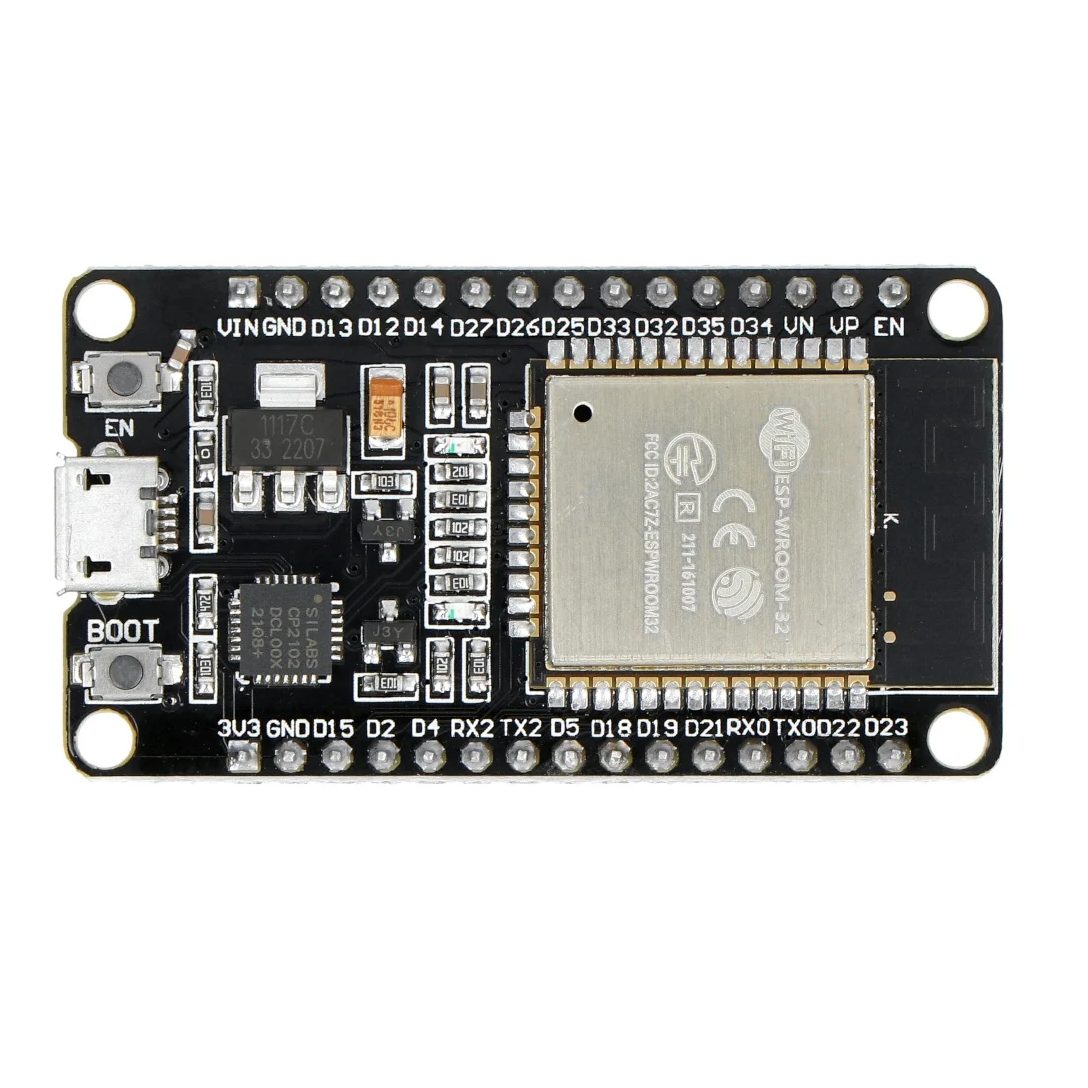
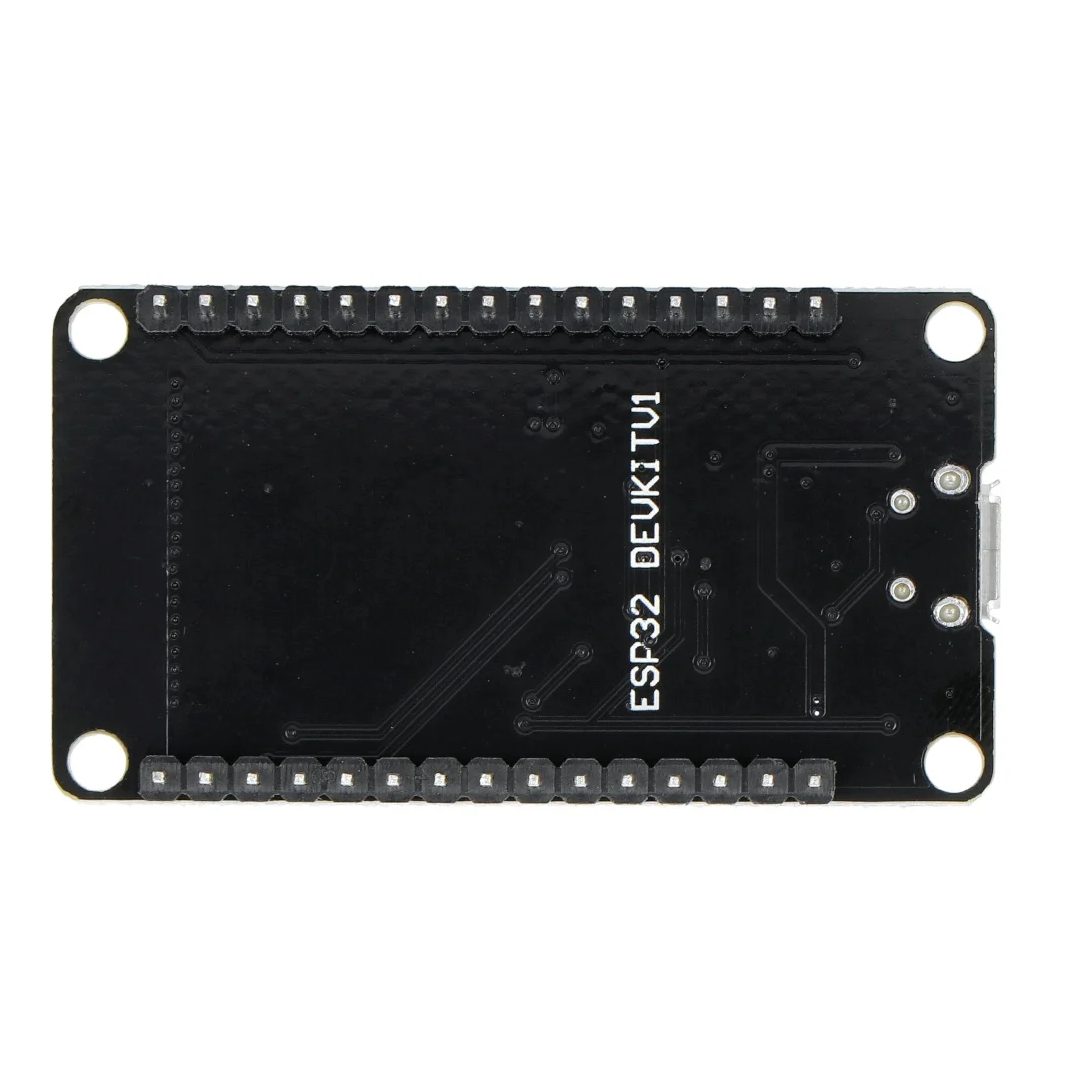
ESP32 NOD MCU Development Board WIFI/Bluetooth 30-Pin with CP2102
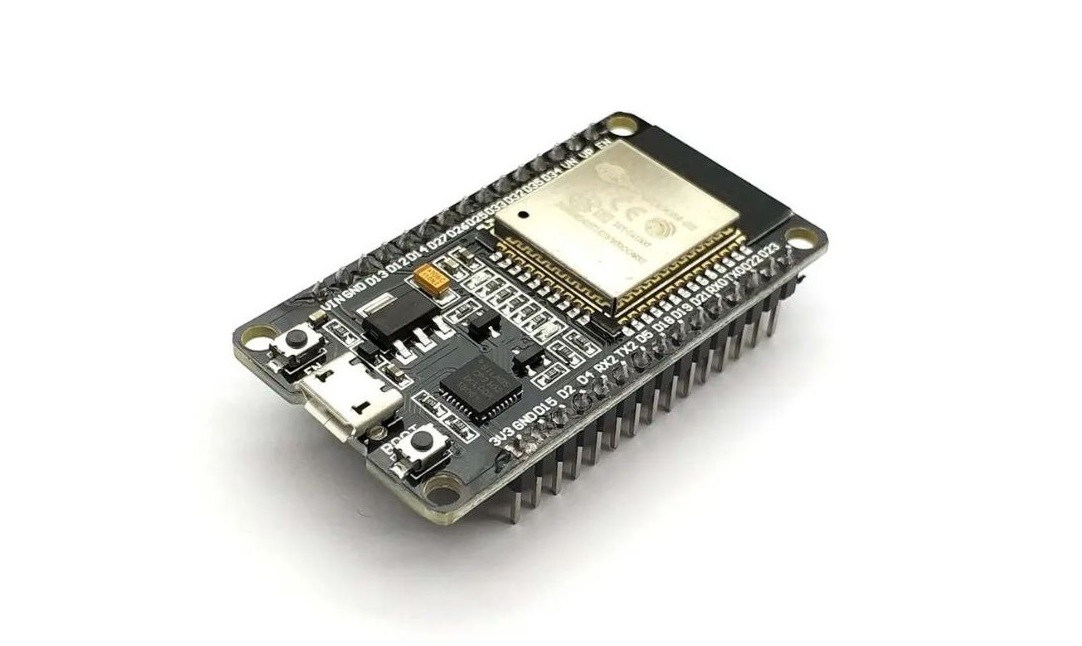
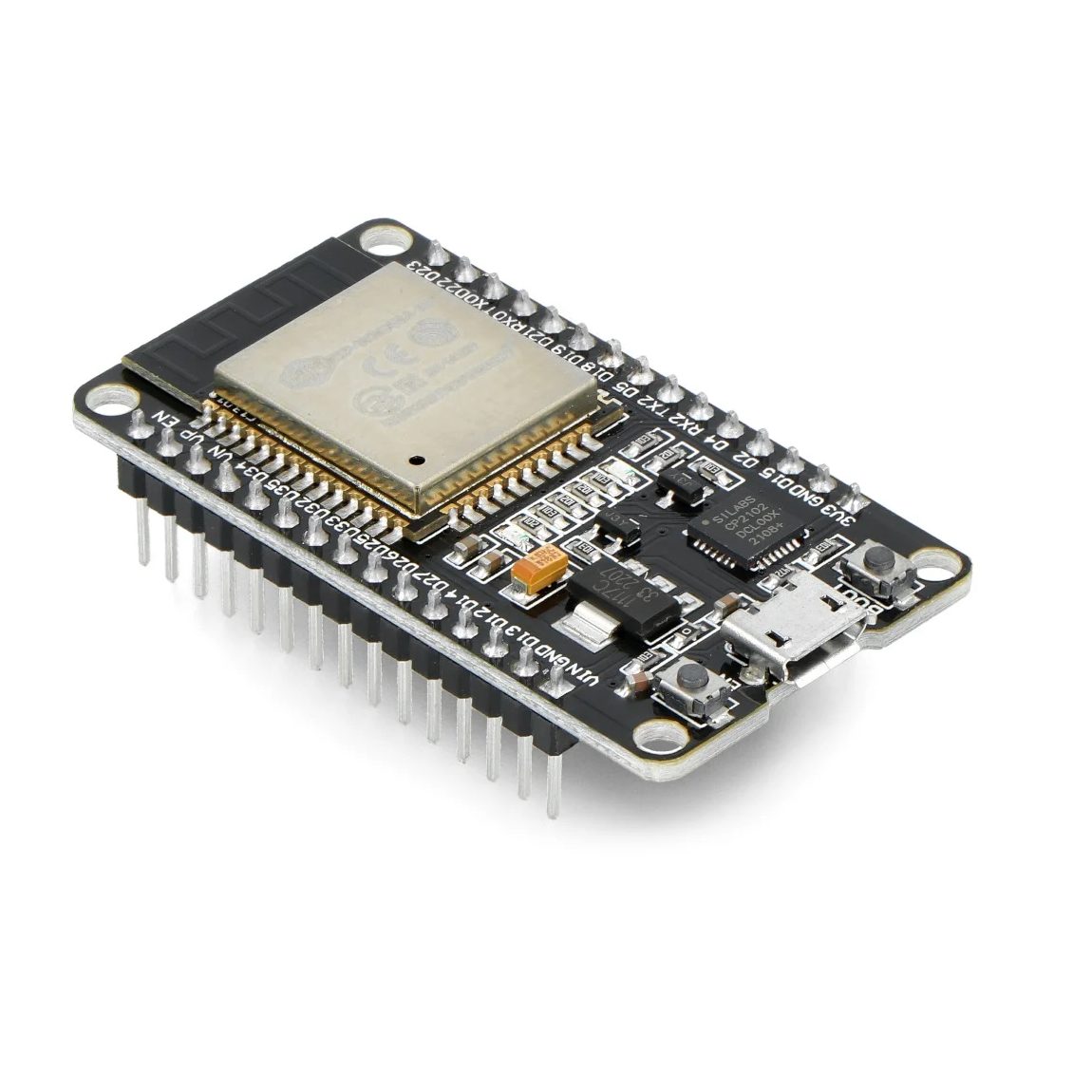
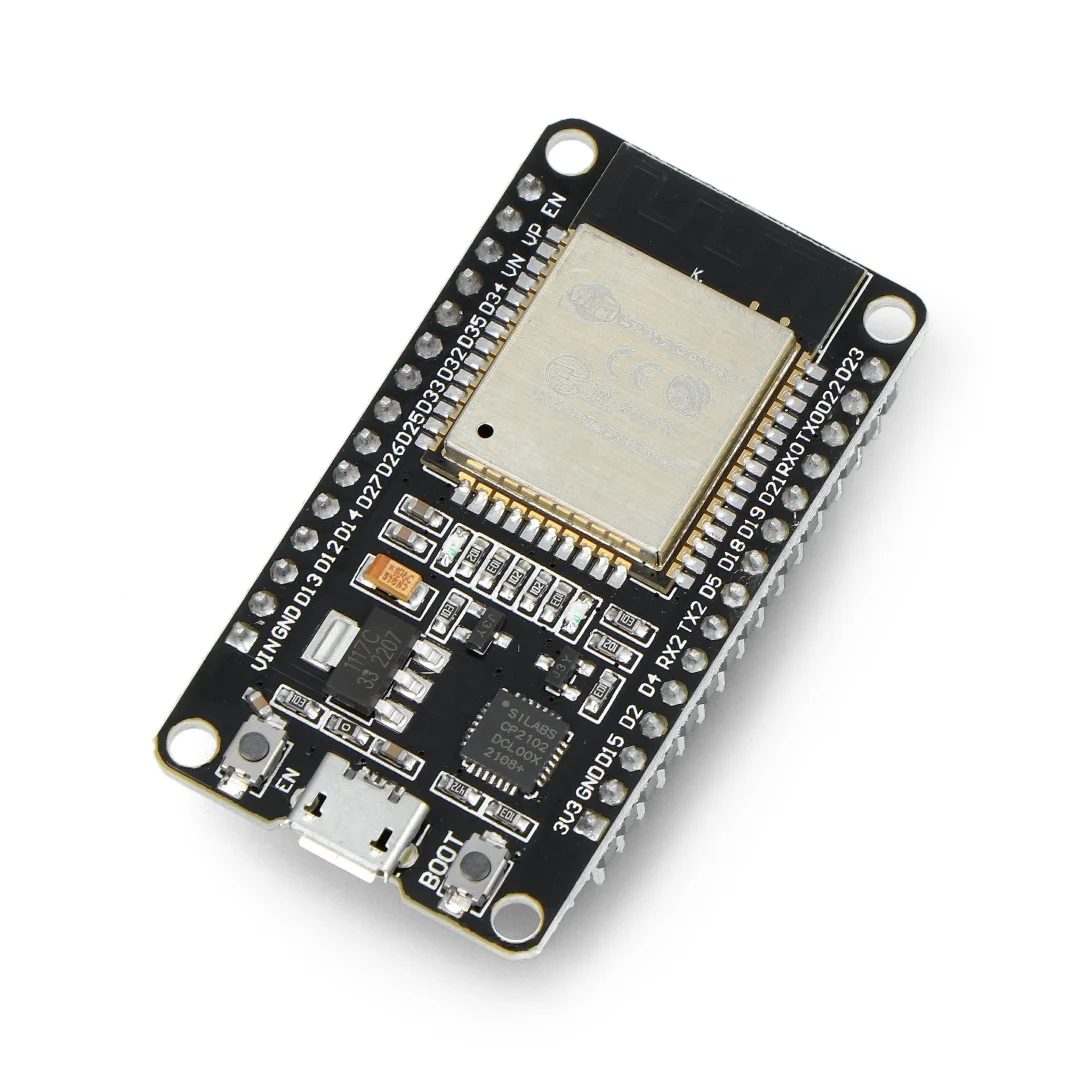
The ESP32-36PINS-DEVKIT-V1 is a versatile development kit based on the ESP32 module, designed by Espressif Systems. This kit is equipped with 36 GPIO pins and is widely used for Internet of Things (IoT) projects, wireless communication, and complex applications requiring multiple sensor integrations. It is an ideal choice for prototyping and developing applications such as smart home devices, wearable electronics, and industrial automation systems.
Technical Specifications
Key Technical Details
- Microcontroller: Tensilica LX6 dual-core processor
- Operating Voltage: 3.3V
- Input Voltage: 7-12V (via Vin pin), 5V (via micro USB)
- Digital I/O Pins: 36 (multiplexed with other functions)
- Analog Input Pins: 18 (multiplexed with digital pins)
- Flash Memory: 4MB
- SRAM: 520 KB
- Clock Speed: Up to 240MHz
- Wi-Fi: 802.11 b/g/n
- Bluetooth: v4.2 BR/EDR and BLE
- Operating Temperature: -40°C to +125°C
Pin Configuration and Descriptions
| Pin Number |
Function |
Description |
| 1-36 |
GPIO0 – GPIO35 |
General Purpose Input/Output pins, various functions |
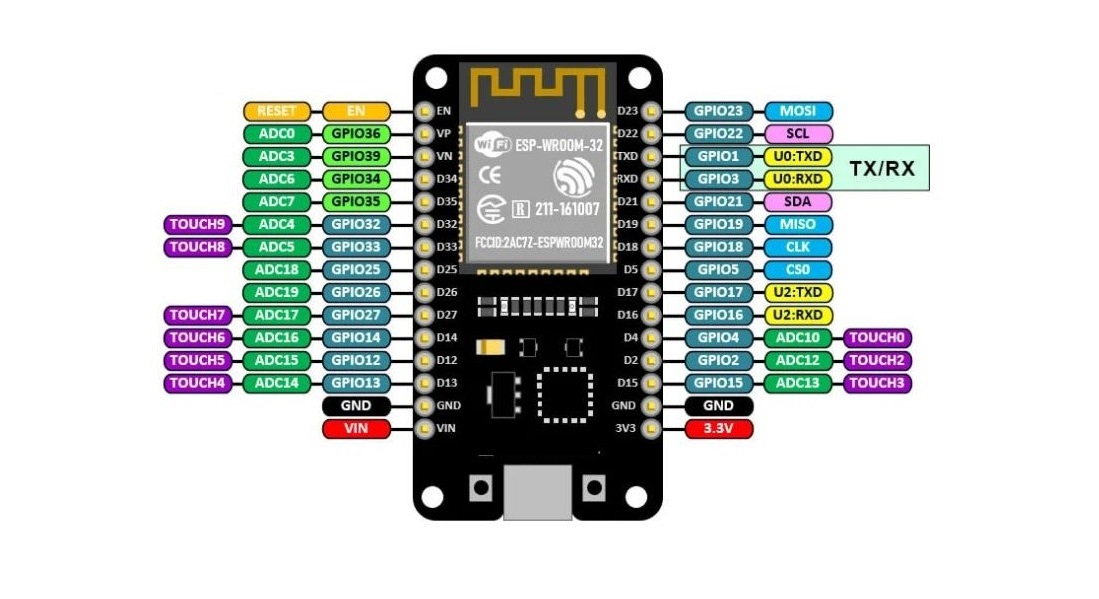
Note: The above table is a simplified representation. Each GPIO pin has multiple functions, and the exact pinout should be referred to from the ESP32 datasheet or pinout diagram provided by Espressif.
Usage Instructions
Integrating with a Circuit
- Powering the ESP32-DEVKIT-V1: Connect a 5V power supply to the micro USB port or supply 7-12V to the Vin pin.
- Connecting to a Computer: Use a micro USB cable to connect the board to a computer for programming.
- GPIO Pin Usage: Refer to the pinout diagram to understand the multiplexed functions of each GPIO pin.
- Programming: Use the Arduino IDE or other supported IDEs to program the ESP32. Ensure you have the necessary board packages installed.
Best Practices
- Always use a voltage regulator when supplying power through the Vin pin to prevent damage.
- Avoid drawing more than 12mA from any GPIO pin.
- Use external pull-up or pull-down resistors with GPIO pins when required.
- Ensure that the antenna area is clear of metal components to avoid signal interference.
Example Arduino Code for ESP32 Module
// Simple Blink example for ESP32-36PINS-DEVKIT-V1
#define LED_BUILTIN 2 // Define the LED_BUILTIN pin. It’s usually GPIO 2
void setup() {
pinMode(LED_BUILTIN, OUTPUT); // Initialize the LED_BUILTIN pin as an output
}
void loop() {
digitalWrite(LED_BUILTIN, HIGH); // Turn the LED on
delay(1000); // Wait for a second
digitalWrite(LED_BUILTIN, LOW); // Turn the LED off
delay(1000); // Wait for a second
}

Reviews
There are no reviews yet.